


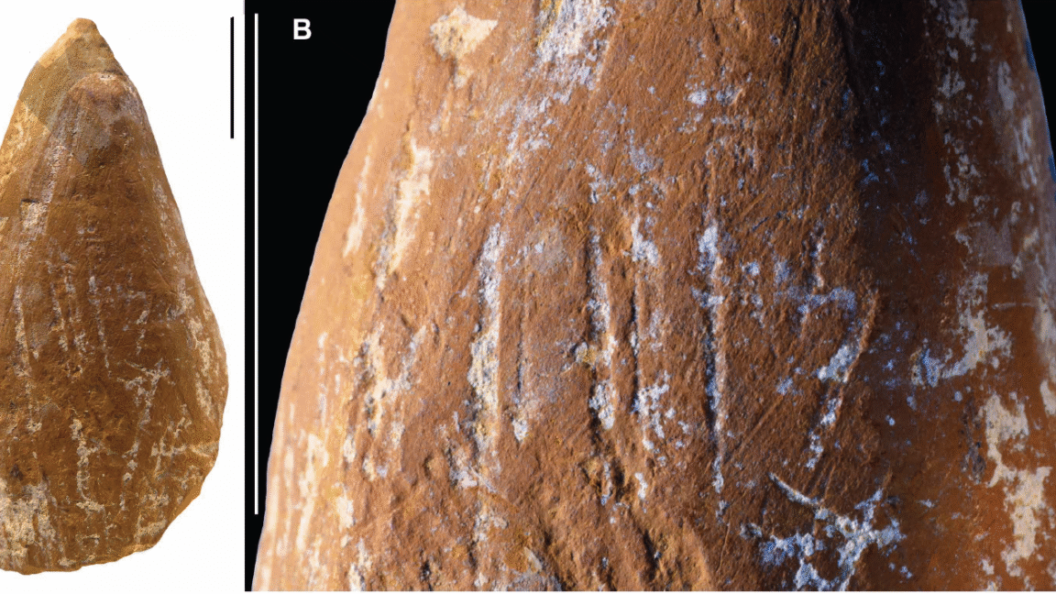
Neanderthals and Symbolic Color Use: Redefining the Cultural Narrative
Neanderthals, once thought to be mere primitive beings, are increasingly recognized for their complex behaviors and sophisticated cultural practices. Recent research has shed light on how these ancient humans used ocher pigments and other colors in ways that indicate a symbolic dimension to their actions. This article explores the significance of these findings and what they reveal about Neanderthal culture.
Symbolism and Functionality
A pivotal study led by D’Errico and colleagues emphasizes the interconnectedness of symbolic and utilitarian functions in ancient populations. The authors argue that the long-term use of ocher powders by Neanderthals likely involved more than just practical purposes. The complexity of their cultural expressions suggests that the use of color was imbued with significance, potentially serving communicative functions similar to those found in modern human societies.
“Other authors point out that symbolic and utilitarian functions are intimately linked among traditional populations,” remarked D’Errico and his research team, highlighting the necessity of recognizing a symbolic dimension in early human practices.
Variability Across Regions
Archaeological evidence indicates that Neanderthals employed varied pigments based on their geographic location. In some regions of Europe, manganese-based black pigments were preferred, while in areas like Crimea, reds and yellows appeared to be more popular. This regional variability hints at differing cultural practices, local innovations, and possibly even long-distance exchanges among Neanderthal communities.
As noted by the researchers, “This variability suggests different cultural trajectories, possibly involving community-level traditions.” Such diversity may reflect a rich tapestry of communication methods, akin to how modern societies deploy color meaning differently—white for weddings in Europe versus funerals in China.
Insights into Neanderthal Intelligence
The accumulating evidence of Neanderthal color use signals a reassessment of their intellectual capacities. More than just tools for survival, their cultural artifacts point to a nuanced understanding of their environment and the symbolic meaning they ascribed to it.
The real takeaway is twofold: not only does this research bolster the case for Neanderthals as intelligent and creative beings paralleled to Homo sapiens, but it also implies that the artistic impulses of humans may trace back further in our evolutionary lineage than previously thought.
Conclusion: A Broader Cultural Context
These insights into Neanderthal color use contribute significantly to our understanding of human evolution and culture. The implications of recognizing their symbolic behaviors prompt us to reconsider not only the Neanderthals’ place in history but also the depth and richness of early hominid life.
Ultimately, the narrative of human ancestry becomes more intricate, revealing that the drive to create and communicate, embodied through color and art, is deeply woven into our shared heritage. As research expands our view of Neanderthals, we are reminded that the quest for meaning, expression, and identity has long been integral to our species, be it Homo sapiens or their Neanderthal counterparts.