

Crunchyroll’s Gachiakuta: A New Take on Healing and Consequences in Anime
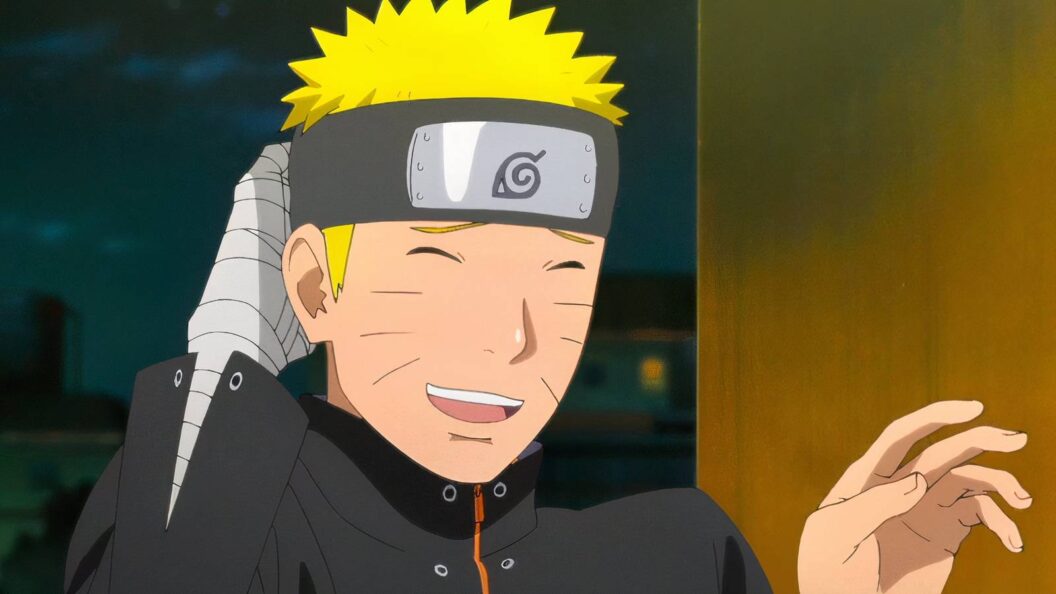
In the realm of anime, narratives involving flawed endings often draw scrutiny, with classics like Naruto: Shippuden and its manga frequently cited. While Naruto depicted a virtuous hero striving to end a cycle of hatred, it ultimately left a world rife with unresolved issues. In contrast, Crunchyroll’s new series, Gachiakuta, presents a fresh perspective. Adapted by Bones Film from Weekly Shonen Magazine, it explores themes of healing and societal commentary through the eyes of its protagonist, Rudo Surebrec.
Gachiakuta: An Unconventional Narrative
Set against a backdrop of a fragmented world, Gachiakuta features Rudo, a traumatized young boy navigating the harsh reality outside the Sphere, a safety haven above. With an ongoing manga and a newly released adaptation, the series is showcasing deeper societal issues than many of its predecessors. Rudo’s journey involves confronting his past while seeking purpose among surface-dwellers and humanizing a cast often marginalized.
The show’s emphasis on childhood trauma and the desire for restoration positions it as a more nuanced narrative compared to earlier works like Naruto. Although both series have tackled similar themes, Gachiakuta appears to provide a more grounded exploration of its characters’ repercussions and societal roles.
Exploring Societal Problems: A Modern Lens
With its dark themes of neglect and abuse, Gachiakuta delves into the ramifications of societal dysfunction. The protagonist’s rejection, as he is framed for murder and literally thrown away like trash, resonates poignantly with audiences familiar with experiences of abandonment. The narrative contrasts sharply with Naruto, where characters often evade the depth of their consequences, avoiding a realistic portrayal of their misdeeds and the path toward change.
The narrative’s symbolism, represented in Rudo’s struggle with sentient Trash Beasts and the neglected surface-dwellers, demonstrates an increasingly modern approach to storytelling in anime. In a world where the marginalized confront ongoing threats, the motivations behind their struggles are presented with a sincerity that enriches the viewing experience.
Comparing the Consequences in Naruto and Gachiakuta
In examining how consequences are depicted, Gachiakuta starkly contrasts with Naruto. While Naruto tends to allow its villains, like Orochimaru and Kabuto, to escape without adequate repercussions, Gachiakuta openly addresses the oppressive realities faced by its characters.
For instance, in a recent episode, a character named Amo Empool experiences severe abuse at the hands of a predatory individual, leading to dire consequences for them both. Such plot points seldom received equal weight in Naruto, where brutal characters like Orochimaru remained active participants in the world without facing true justice for their actions.
As articulated by critics, “Forgiveness is great, but it’s a bit odd for such a prominently brutal character like Kabuto to then be able to run Konoha’s orphanage.” This sentiment underscores how unresolved narratives can leave audiences dissatisfied and yearning for a more realistic portrayal of consequence.
The Modern Advantages of Gachiakuta
The Gachiakuta series benefits from the changing landscape of anime production, utilizing a seasonal format that limits filler content and allows for a tighter narrative structure. This structure contrasts with the extensive and at times bloated run of Naruto.
By limiting the number of episodes and reducing pacing issues, Gachiakuta has the opportunity to stay true to its original vision without the encumbrance of unnecessary subplots. As the series climbs the ranks on Crunchyroll, it represents a shift toward storytelling that prioritizes quality over quantity.
Conclusion: The Future of Healing in Animation
Gachiakuta stands as a testament to the evolution of anime, embodying modern narratives that tackle complex societal issues with sensitivity and depth. As Rudo navigates a world shaped by trauma but also by hope for restoration, the series invites viewers to reflect on the importance of healing and understanding in a fractured society.
With its fresh outlook, Gachiakuta not only carves out its place in the anime landscape but potentially sets a new standard for how stories about flawed heroes and their consequences can be told, suggesting a promising trajectory for future works in the genre.